
GUTTER GUARDS PORT MACQUARIE
Gutter Guards Port Macquarie — Stop The Blockages Before They Start
Cleaning your gutters twice a year is the slow way to manage debris. Fitting the right gutter guard is the way to stop dealing with it altogether. Marine-grade aluminium mesh, professionally installed by licensed roof plumbers, designed for the trees, the storms and the salt air of the Mid North Coast. Free on-site quotes across Port Macquarie and the Hastings. Written workmanship warranty on every install.
Marine-Grade Aluminium Mesh Built For Coastal Conditions
Bushfire-Rated Options Available For Tree-Lined Properties
Compatible With Tile, Tin & Colorbond Rooflines
Contact Us
What
Quality Gutter Guards Actually Do For Your Port Macquarie Home
A gutter guard is a mesh or screen fitted over the top of your gutters that lets water through while keeping everything else out. It sounds simple, and the good ones largely are, but the difference between a properly specified system and a cheap hardware-store kit is the difference between never thinking about your gutters again and creating a brand new set of problems.
Done well, a quality gutter guard quietly does the following:
- Keeps leaves, bark, twigs and bird debris out of the gutter and downpipes
- Extends the working life of your gutters by preventing the moisture-and-debris contact that causes back-wall corrosion
- Reduces or eliminates the need for routine gutter cleaning, particularly on tree-lined properties
- Stops birds, possums, rats and snakes nesting or entering the roof cavity through gutter openings
- Provides ember protection during bushfire conditions when fitted with a bushfire-rated mesh
- Keeps rainwater tank inputs cleaner, which matters if you're collecting drinking or garden water from the roof
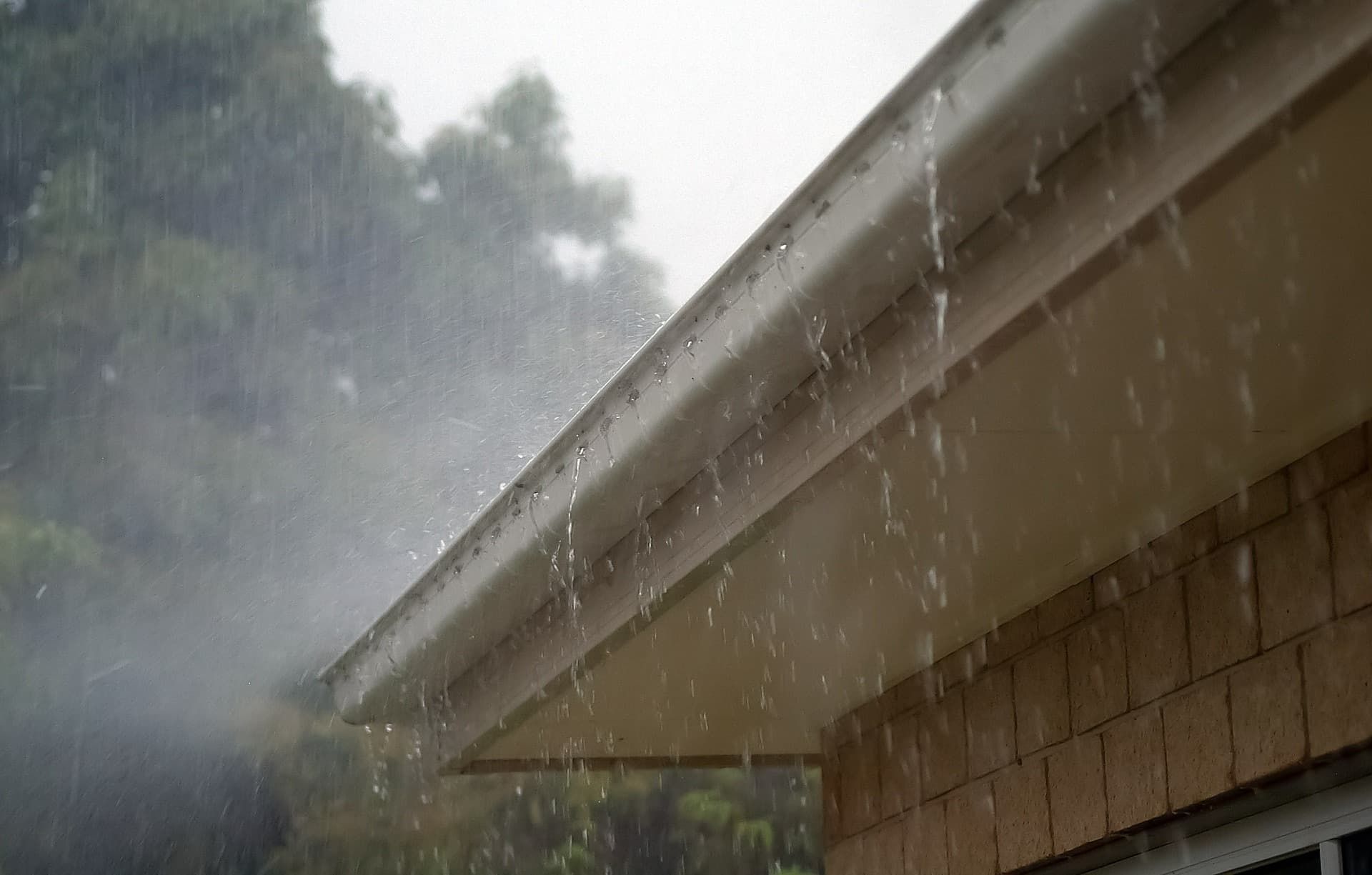
- Reduces the risk of overflow during heavy rain by keeping the gutter channel clear
Why Cheap
Gutter Guard Installations Cost More In The Long Run
Gutter guard is one of those products where the price spread is enormous and the quality spread is even wider. The plastic snap-in screens sold at hardware chains for a few dollars a metre look like a bargain on paper, but they degrade quickly in coastal UV, become brittle within two or three summers, and trap debris on top of themselves rather than letting it blow off. Within a few years you're back to cleaning the gutters anyway, except now you have to remove broken plastic mesh first, and the gutter underneath has been holding moist debris against the metal the entire time. The "savings" turn into a corrosion problem that wasn't there before.
The systems we install are different in three specific ways. The mesh itself is marine-grade aluminium with a powder-coated finish rated for severe coastal exposure, it won't go brittle, won't corrode in salt air, and carries a long warranty against degradation. The aperture size is matched to the type of debris around your property (smaller for fine bark and pine needles, larger for broad leaves) so debris blows off rather than catching on the mesh. And it's installed properly by a licensed roof plumber, contoured to the roof profile, secured with compatible fixings, and integrated with the existing gutter rather than just dropped on top of it. The job's done once, properly, and largely forgotten about for a decade or more.
Client Reviews
Don’t Just Take Our Word For It...
When Gutter Guard Installation Makes Sense For Mid North Coast Homes
Gutter guard isn't right for every home, and we'd rather tell you that upfront than fit something you don't need. Homes on open suburban blocks with no overhanging trees can usually manage with twice-yearly cleaning and won't see a meaningful return on a full mesh install. The properties where gutter guard genuinely pays for itself are the ones where debris is a constant battle and across the Hastings, that covers a lot of homes. Spotted gums, paperbarks, casuarinas, palms and pines all drop heavy and continuous debris. Properties backing onto bushland or reserves get the same treatment from wind-blown leaf litter. Two-storey homes where every gutter clean involves significant access setup tend to recoup the cost of a quality install within four or five years just on labour saved.
There's also the bushfire factor. Port Macquarie and the surrounding Hastings region include a meaningful proportion of properties within designated Bushfire Attack Level zones, and ember entry through gutters is one of the major ignition pathways for homes during a fire event. A bushfire-rated gutter guard fitted to a BAL-rated mesh specification provides genuine ember protection and is often a requirement for rebuilding or new construction in those zones. If your property sits within a BAL designation or you're unsure, we can confirm during the on-site quote and recommend the right specification for your situation.
The right gutter guard fitted by the right tradesman is a 10-year solution to a problem you currently solve twice a year.
Book a free on-site gutter guard quote today on 02 6581 4589.

Port Macquarie Gutter Guards Frequently Asked Questions
How much do gutter guards cost in Port Macquarie?
Quality gutter guard installation in Port Macquarie typically costs between $35 and $75 per linear metre supplied and fitted, depending on the mesh specification, the roof type, the access requirements and the size of the aperture needed for the debris around your property. A standard single-storey three-bedroom home with roughly 70 to 90 linear metres of guttering generally falls in the $2,400 to $5,400 range for a complete marine-grade aluminium install. Two-storey homes typically add 25 to 40 percent because of the additional access setup and safety equipment required.
The variables that move the number include the mesh aperture (finer meshes for pine needles and bark cost more than standard leaf-grade), bushfire-rated specifications for BAL-designated properties (which carry compliance documentation and certified mesh), valley meshing where applicable, and whether the install is being done as a standalone job or alongside a gutter replacement. Phone quotes for gutter guard are generally unreliable because the right specification depends on what's growing around your property, we give written, fixed-price quotes after a free on-site look so the number you see is the number you pay.
Is gutter guard actually worth the money on a Port Macquarie home?
The honest answer depends on your specific situation, and we'd rather walk you through the maths than sell you something you don't need. Gutter guard pays for itself fastest on three types of property: homes with overhanging trees that drop debris continuously, two-storey homes where every gutter clean involves significant access cost, and properties in bushfire-prone areas where ember protection is genuinely needed. On those homes the cost typically returns within four to six years through saved cleaning labour, extended gutter life, and avoided water damage from blocked downpipes.
The properties where the return is slower are open suburban blocks with no overhanging trees, where a twice-yearly clean is realistically all the system needs. We'll tell you which category your home falls into during the quote, if gutter guard isn't going to pay for itself in a reasonable timeframe, we'll say so rather than push the install. The other benefit that doesn't show up in a spreadsheet is simply not having to think about your gutters anymore, which most clients tell us afterwards was worth more than the dollar saving on cleaning.
What's the difference between the various types of gutter guards?
Gutter guard products fall into roughly four categories, and the differences matter more than the marketing material suggests. Plastic snap-in screens sold at hardware chains are the cheapest option but degrade quickly in coastal UV, become brittle within a few summers, and don't shed debris well, they trap it on top of themselves and create a new problem. Foam inserts that sit inside the gutter are similar in lifespan and tend to retain moisture, accelerating corrosion of the gutter beneath them. We don't install either type and would actively recommend against both for Port Macquarie conditions.
Aluminium mesh systems, properly powder-coated and rated for marine environments, are the standard recommendation for coastal homes. They sit above the gutter, are contoured to the roof line, and shed debris through wind and water action rather than catching it. Stainless steel mesh is the premium option, typically used for bushfire-rated installs where compliance certification is required and carries an even longer working life at higher upfront cost. The right specification depends on your trees, your distance from the coast, and any BAL designation on your property. We'll explain what suits your address rather than defaulting to whatever's most expensive.
Will gutter guards stop my gutters from blocking entirely?
Quality gutter guard dramatically reduces blockages but doesn't eliminate maintenance entirely and any installer who tells you otherwise isn't being straight with you. What a well-fitted system does is shift the maintenance from "clear the gutter every six months" to "brush the top of the mesh every two or three years to dislodge fine sediment." Most leaves, bark, twigs and bird debris are blown off the mesh by wind or washed off by rain before they have a chance to accumulate. The fine particulate that does eventually build up sits on top of the mesh rather than inside the gutter, where it's easy to deal with from a ladder without removing anything.
What changes most noticeably is the downpipes. Blocked downpipes are the single biggest cause of gutter overflow on Mid North Coast homes, and a properly fitted gutter guard upstream essentially eliminates the debris that causes those blockages. The flow-on benefit is fewer overflow events, less back-of-gutter corrosion, and a meaningfully longer working life for the entire system. The realistic expectation is "much less maintenance," not "no maintenance" but the difference is significant enough that most clients consider the upgrade worth it on its own.
Are bushfire-rated gutter guards different to standard gutter guards?
Yes, and the distinction matters if your property sits within a Bushfire Attack Level designation. Bushfire-rated gutter guards are manufactured to a specific aperture size (typically 2mm or less) using non-combustible materials, usually stainless steel mesh and are tested and certified to prevent ember entry into the gutter and roof cavity during a fire event. They carry compliance documentation that may be required for development approvals, insurance, or BAL assessments on properties being rebuilt or extended in designated zones.
Standard gutter guards aren't ember-rated and aren't a substitute for compliant material in BAL zones. They'll keep debris out perfectly well, but they're not designed to stop the burning embers that travel ahead of a bushfire front and ignite homes through gutter openings. If your property has a BAL designation (or you're unsure whether it does), we can confirm during the on-site quote and specify the right mesh accordingly. The cost difference between standard and bushfire-rated is meaningful but the compliance and safety justification on designated properties is straightforward , it's the right product for the location.
Can gutter guards be installed on any type of roof?
Quality gutter guard systems can be fitted to virtually every common roof type found across Port Macquarie homes, including Colorbond and other metal sheet roofing, concrete tile, terracotta tile, and slate. The mesh itself is the same product across roof types, what changes is the trim, the fixing method, and how the mesh is contoured against the roof line at the back edge. On a metal roof, the mesh is typically secured under the bottom edge of the roof sheet using a specific trim. On a tile roof, it's contoured to follow the bottom course of tiles with appropriate trim to prevent debris bridging.
What does vary by roof type is the complexity of the install. Tile roofs with deeply profiled tiles or unusual ridge details take longer to fit cleanly. Multi-pitched rooflines with valleys require additional valley meshing to prevent debris dams forming where two roof sections meet. We assess all of this during the on-site quote and the written scope will reflect what's actually needed for your specific roof. The end result on any roof type is the same — water in, debris out, and a system that largely takes care of itself for a decade or more.
How long do gutter guards last in coastal conditions?
A quality marine-grade aluminium gutter guard professionally installed on a Port Macquarie home should give 15 to 20 years of effective service before the mesh shows any meaningful degradation. Stainless steel meshes typically last longer again and often 25+ years though they carry a higher upfront cost. The two factors that affect lifespan most are the quality of the powder-coat finish on aluminium mesh (cheap finishes chalk and fade within five years), and whether the fixings are compatible with both the mesh material and the gutter underneath. Mixed metals in contact set up galvanic corrosion that can eat through aluminium mesh from the fixing points outwards.
The cheap plastic systems sold at hardware chains are the exception, they typically fail within three to five years in coastal UV regardless of how carefully they're fitted, which is why we don't install them. The investment in a quality system pays back through the install lasting as long as the gutter itself, with no need to revisit the work for the lifetime of the gutter system underneath. We back every install with a written workmanship warranty alongside the manufacturer's product warranty on the mesh.
Can I install gutter guards myself or do I need a professional?
A confident DIY-er can fit basic plastic snap-in screens to an accessible single-storey home in a weekend, and for short runs of straightforward gutter on a simple roofline, that's a perfectly reasonable approach. What you give up is the proper roof-line integration, the compatible fixings, the marine-grade mesh, and the workmanship warranty and for many homes, that trade-off costs more in shortened lifespan than it saves in install fees. The other consideration is ladder work at height, which is the single most common source of serious DIY injuries in Australia. Two-storey homes are not a sensible DIY project regardless of the product.
The bigger reason most homeowners hire it out, though, is that a quality install on a typical home runs to several hours of skilled work, measuring, cutting trim to fit roof profile, securing mesh with appropriate fixings, valley meshing where needed, sealing endcaps, removing offcuts. By the time you've bought the right materials, hired the right access equipment, and given up a weekend to the job, the cost gap between DIY and a professional install on a quality system is much smaller than it looks. We give free on-site quotes so you can compare the actual numbers before deciding.