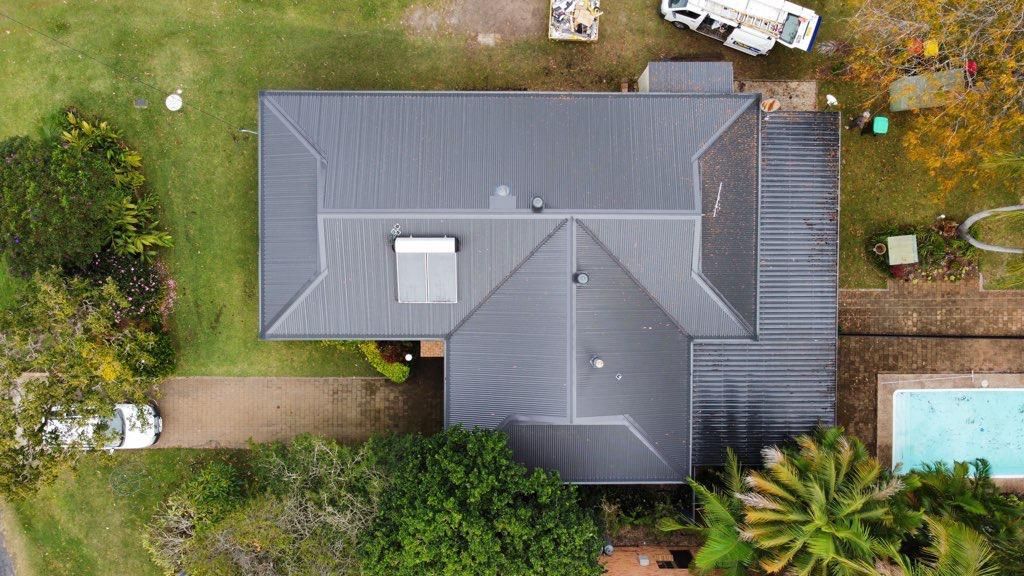
How to Prepare Your Roof for Storm Season on the Mid North Coast
Living on the Mid North Coast means dealing with some of Australia's most intense seasonal weather. Port Macquarie receives around 1,200mm of rainfall each year, with the wettest months falling between November and March. That's when East Coast Lows, summer thunderstorms, and heavy downpours put the most pressure on your roof, gutters, and drainage.
The May 2025 floods were a stark reminder of what our region faces. Port Macquarie recorded over 350mm in just four days, with the Manning River at Taree breaking a flood record that had stood since 1929. Coastal suburbs from Lake Cathie to Crescent Head saw widespread water damage to homes and infrastructure.
The good news is that most storm-related roof damage is preventable, or at least manageable, if you take the time to prepare before the wet season arrives. Here's a practical checklist based on what we see across hundreds of roofs each year.
Your Pre-Storm Season Roof Checklist
1. Inspect Your Roof from the Ground
You don't need to climb onto your roof to spot early warning signs. Walk around your property and look up.
On a tiled roof, check for cracked, broken, or slipped tiles — they're usually visible from ground level, especially along ridges and valleys. On a metal roof, look for lifted sheets, visible rust patches, or screws that have backed out.
Pay attention to these areas in particular:
Ridge capping: The mortar along ridge caps deteriorates faster in coastal conditions. If you can see gaps or crumbling bedding from the ground, water is likely getting in during heavy rain.
Flashing: Check where your roof meets walls, chimneys, skylights, and vents. Lifted or corroded flashing is one of the most common causes of leaks we find across Port Macquarie properties.
Eaves and soffits: Look for cracks, peeling paint, or signs of water staining on eaves lining. These can indicate that water is already getting behind the roof sheeting.
Skylights: Water staining around skylight edges inside your home is a telltale sign of a failing seal. Check from inside the ceiling space if you can access it safely.
If anything looks off, book a professional roof inspection before storm season starts. A minor repair now is far cheaper than emergency work during a downpour — see our roof repair cost guide for typical pricing.
2. Clean Your Gutters and Downpipes
Blocked gutters are the number one cause of preventable water damage during storms. When gutters overflow, water runs down walls, pools around foundations, and can enter roof cavities through fascia and eave joints.
Clear out all leaves, twigs, dirt, and debris from your gutters and downpipes. On the Mid North Coast, eucalyptus leaf litter builds up fast, especially in suburbs like Wauchope, Beechwood, and anywhere backing onto bushland.
While you're cleaning, check for:
- Sagging or pulling away from the fascia — this means brackets are failing and the gutter will overflow under heavy rain
- Rust spots or holes — even small perforations turn into streams during a downpour
- Downpipe blockages — run a hose through each downpipe to confirm water flows freely all the way to the stormwater drain
- Loose or disconnected joins — water escaping at gutter joins causes fascia rot and wall damage
If your gutters are in poor shape or constantly blocking up, it might be time to consider gutter guard installation or a full gutter replacement. We can assess your system and recommend the best option for your property.
3. Trim Trees and Overhanging Branches
Overhanging branches are a serious risk during storms. Strong winds can snap branches onto your roof, crack tiles, dent metal sheeting, and bring down power lines — creating a dangerous situation for your family.
Walk around your property and look for:
- Dead branches — these are the first to break in wind and should be removed immediately
- Branches within 2 metres of your roofline — even healthy limbs can scrape and damage roofing materials during sustained wind
- Trees leaning toward the house or powerlines — have these assessed by a qualified arborist before storm season
Beyond storm damage, overhanging trees are a major source of gutter blockage. Keeping branches trimmed back reduces leaf litter and means your gutters stay clearer for longer.
For large trees near powerlines, contact Essential Energy rather than attempting the work yourself.
4. Check Your Roof Drainage and Stormwater
Your roof sheds thousands of litres of water during a heavy storm. All of that water needs somewhere to go. If your stormwater system is blocked or undersized, water backs up and finds its own path — usually into places you don't want it.
Check that:
- All downpipes connect to stormwater drains — not just dumping water onto the ground next to your house
- Stormwater pits and grates are clear of debris
- Water flows away from the building — if you see pooling near your foundations after rain, there's a drainage issue that needs addressing
We see a lot of stormwater problems in older Port Macquarie homes where original drainage hasn't kept up with extensions or paving. If you're unsure about your system, our team can inspect your plumbing and stormwater and identify any issues before they cause damage.
5. Secure Loose Items Around Your Property
This isn't strictly a roof task, but it protects your roof. Loose items in your yard become projectiles in strong wind. Outdoor furniture, trampolines, shade sails, pot plants, and even wheelie bins can be picked up by storm gusts and thrown into your roof or windows.
Before a storm warning:
- Secure or store outdoor furniture and loose items
- Tie down shade sails and remove temporary structures
- Store wheelie bins in the garage or against a solid wall
- Check that TV aerials and satellite dishes are firmly mounted
6. Know Your Roof's Age and Condition
Different roof types have different lifespans and maintenance needs. Knowing where your roof sits helps you plan proactively rather than reacting to damage.
Colorbond / metal roofing: Generally lasts 25–40 years. Salt air along the coast accelerates corrosion, particularly around screw penetrations and cut edges. If your metal roof is over 20 years old in a coastal suburb like Lighthouse Beach or Bonny Hills, it's worth a professional check before storm season.
Concrete tile roofing: Lasts 30–50 years. Ridge capping mortar and flexible pointing are the first things to fail. Tiles themselves may crack from thermal cycling (hot days, cool nights) common on the Mid North Coast.
Terracotta tile roofing: Can last 50+ years, but the bedding and pointing underneath still deteriorates. Older homes in Wauchope and central Port Macquarie often have original terracotta roofs that look fine from the street but have significant issues underneath.
If your roof is approaching these age ranges, a pre-season inspection gives you time to plan and budget for any work needed — rather than dealing with emergency repairs mid-storm.
What to Do After a Storm
Once severe weather passes, do a visual check of your property before calling anyone:
- Look for obvious damage from the ground — missing tiles, lifted sheeting, debris on the roof, damaged gutters
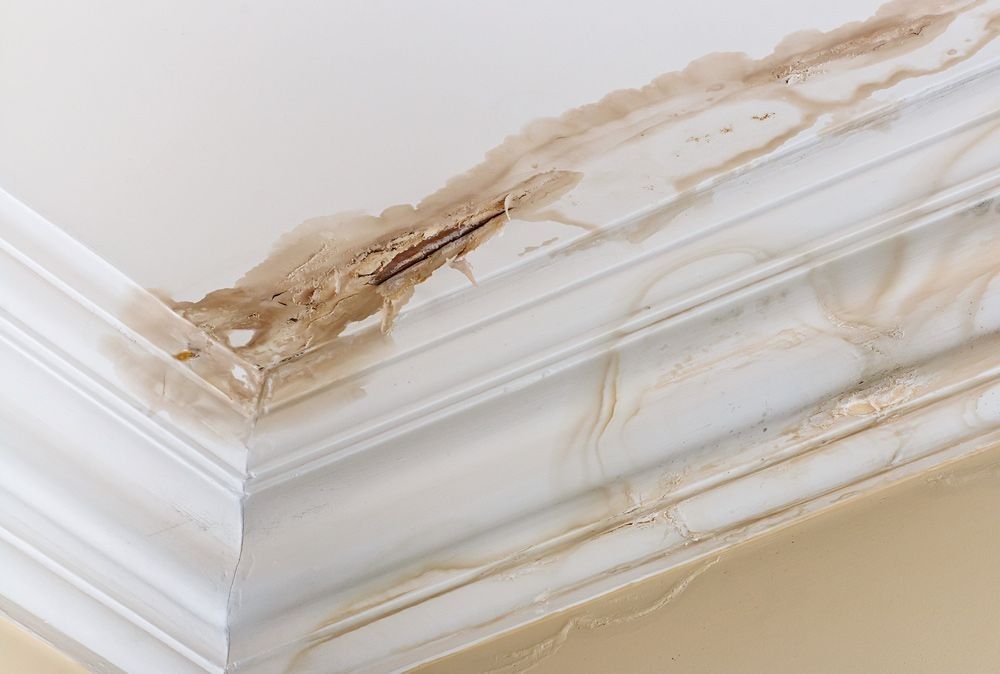
- Check ceilings and walls inside for new water stains, drips, or damp patches
- Photograph any damage for your records and insurance
- Stay off the roof — wet roofs are extremely dangerous, and there may be hidden structural damage
If you spot damage or suspect a leak, call us for a roof leak repair. We offer 24/7 emergency callouts across Port Macquarie, Wauchope, Lake Cathie, Laurieton, Kempsey, and surrounding suburbs. We'll make the area safe and weather-tight before completing a permanent repair.
You should also check your plumbing after a major storm. Heavy rain can overwhelm drains, back up stormwater systems, and cause issues with septic systems in rural areas. Our guide on checking your plumbing after a storm covers what to look for.
When to Call a Professional
Some maintenance — like clearing gutters on a single-storey home — is manageable for most homeowners. But anything involving getting on the roof, working at height, or assessing structural damage should be left to a licensed professional.
Call a roofer before storm season if:
- You can see cracked tiles, rust, or lifted sheeting from the ground
- Your gutters overflow regularly during moderate rain
- There are water stains on interior ceilings or walls
- Your roof hasn't been inspected in over two years
- You've had storm damage in previous seasons that was patched but not properly repaired
At Carrick Plumbing & Roofing, we hold a NSW plumbing licence (358 834C) that covers all roofing and plumbing work. Our team works across residential and commercial properties throughout the Mid North Coast.
Frequently
Asked Questions
When is storm season on the Mid North Coast?
The highest-risk period runs from November through March, when Port Macquarie receives the bulk of its annual rainfall. East Coast Lows can also bring intense rain events outside this window — the devastating May 2025 floods hit well outside the traditional storm season. Year-round readiness is ideal, but pre-summer is the most important time to prepare.
How often should I have my roof inspected?
We recommend a professional roof inspection at least once every two years, and always after any major storm event. Properties in exposed coastal positions or with older roofs should be checked annually.
How much does a pre-season roof inspection cost?
A roof inspection is typically included as part of our quoting process when repairs are identified. For a standalone inspection report, contact us for pricing based on your property size and type.
Can I inspect my own roof?
You can do a useful ground-level check using the steps in this guide. However, many issues — like deteriorating pointing, hairline tile cracks, or corroded screw penetrations — are only visible from on the roof itself. We don't recommend homeowners walk on their roofs due to the fall risk and the potential to cause further damage to tiles.
Will insurance cover storm damage to my roof?
Most home insurance policies cover sudden storm damage. They generally won't cover damage resulting from lack of maintenance or gradual deterioration. Keeping records of regular maintenance and inspections strengthens your position if you need to make a claim.
Protect Your Roof Before the Next Storm
Storm preparation is the cheapest form of roof maintenance. An hour of gutter cleaning and a ground-level inspection could save you thousands in emergency repairs.
If you'd like a professional to check your roof before storm season, we're here to help. Our team services Port Macquarie, Wauchope, Lake Cathie, Laurieton, Bonny Hills, Kempsey, Coffs Harbour, Taree, and the wider Mid North Coast.
Call us on 02 6581 4589 or book online to arrange a pre-season roof check.
Recent Blogs